Software
POLCERO OS
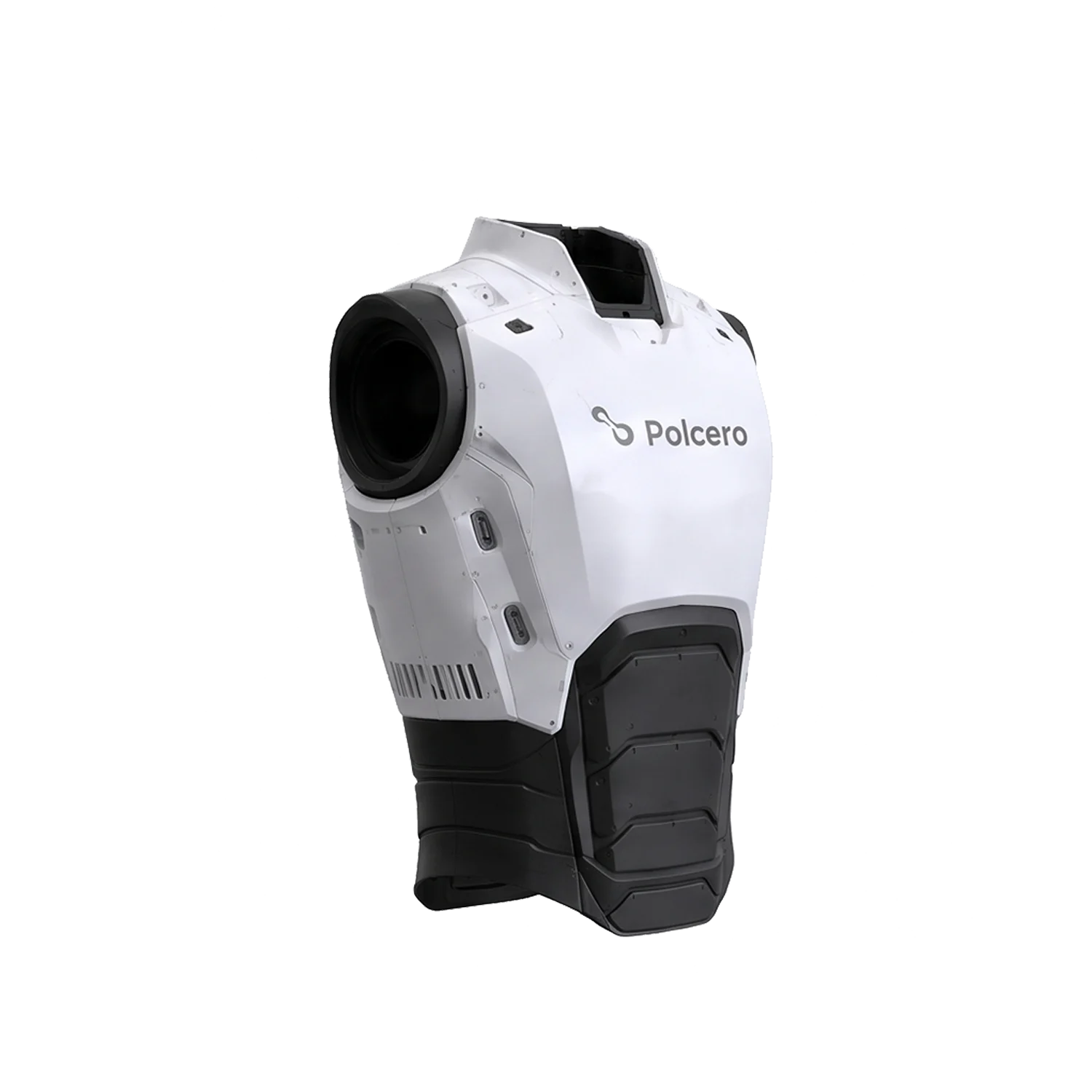
The core module with the AI layer: control, perception and planning. The robot learns by demonstration - an operator performs the task, the system understands and acts autonomously, cutting programming time up to tenfold.
The AI brain that learns by demonstration
At a glance
The core module with the AI layer: control, perception and planning. The robot learns by demonstration - an operator performs the task, the system understands and acts autonomously, cutting programming time up to tenfold.
We build robots around the client’s specific process - starting from our own prototypes, adapted to purpose. We fit the technology to the process, not the other way around.
PriceIncluded with deployment
Use cases
What we use this model for.
- 01Teaching the robot by demonstration
- 02Task planning, supervision and documentation
- 03Robot-fleet management
- 04Local operation with data in the EU
Modular construction
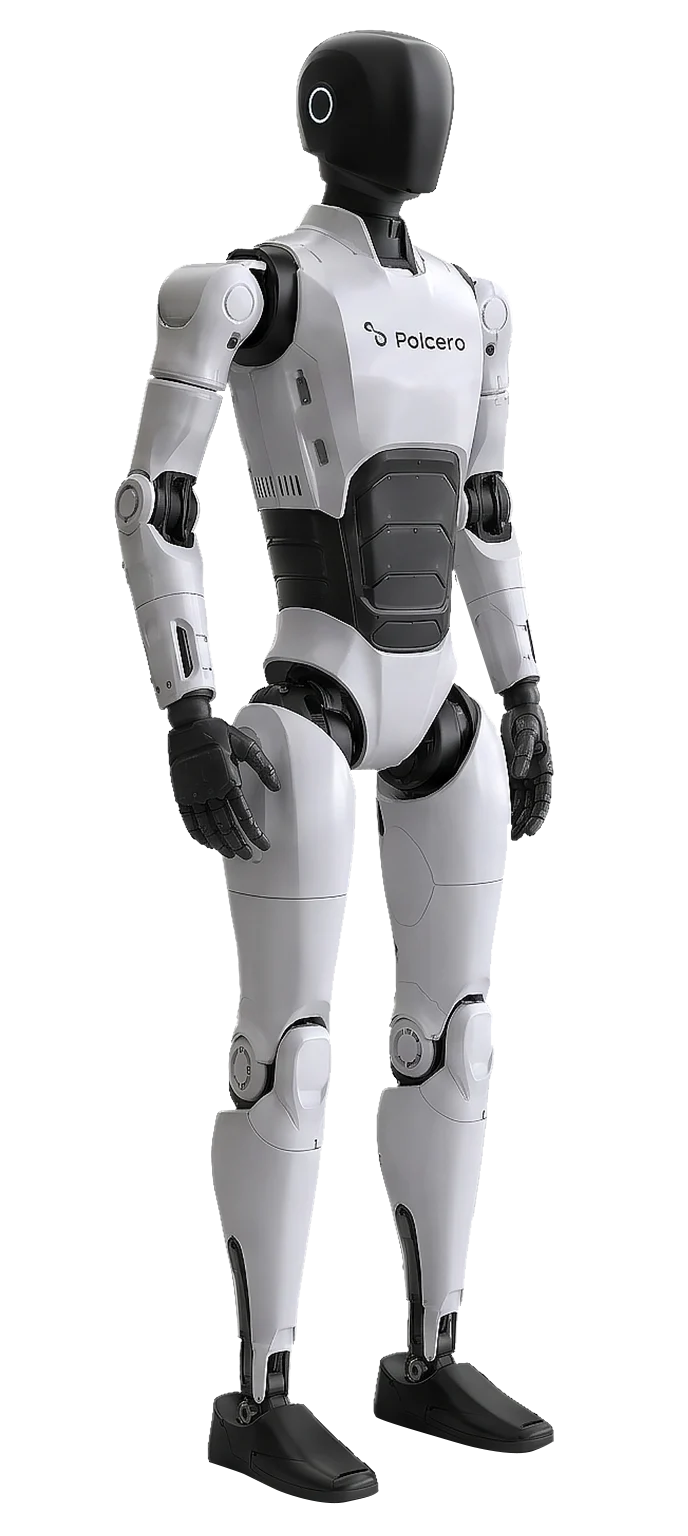
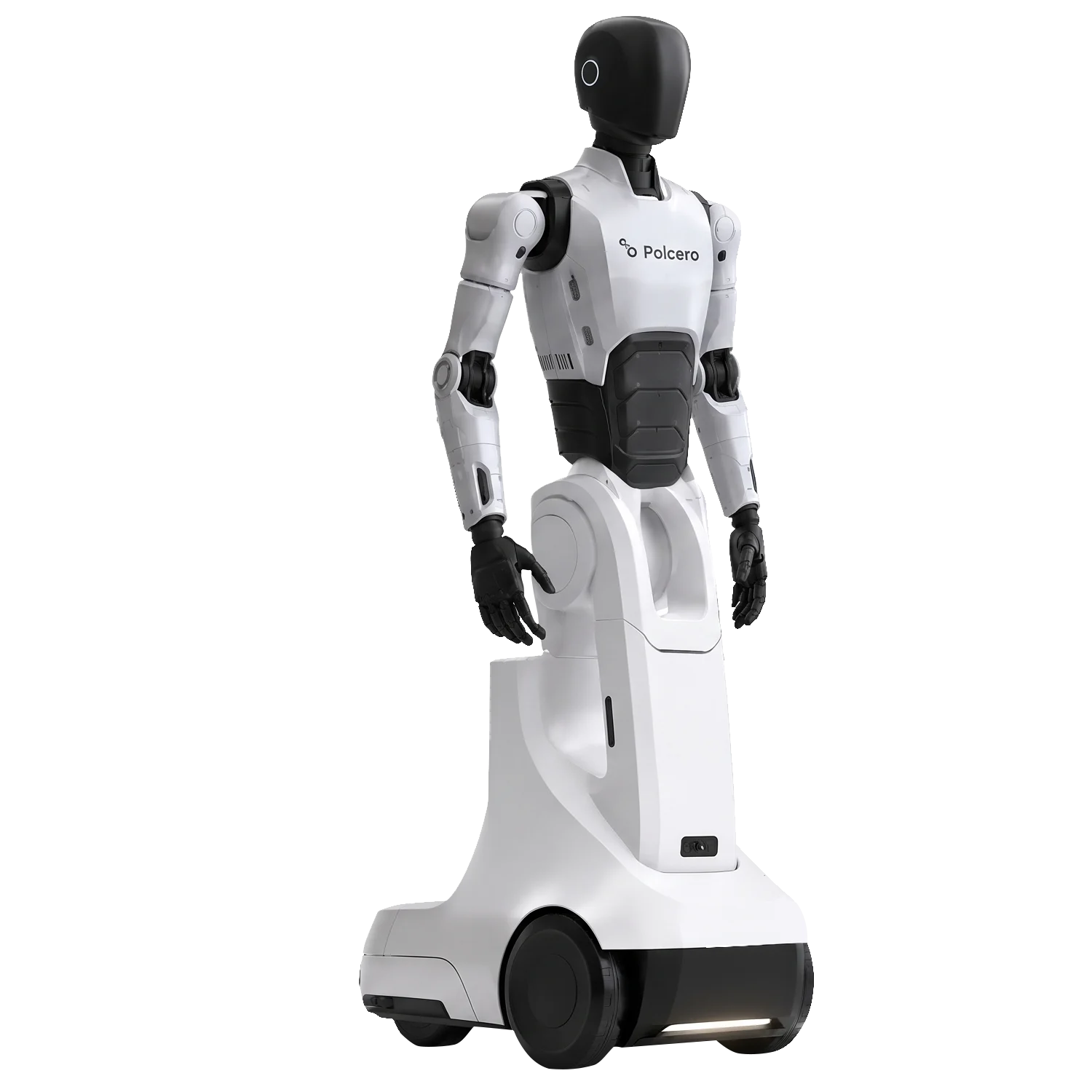
The common core stays the same: chassis, controls, perception and a quick-release tool connector. The working end and the program change - not the whole machine. We mount the core module (control system + AI) on any specialized chassis, or add legs and arms to make a humanoid. Add a task module - arms with a gripper, a harvest head or a weeding laser - and the same robot takes on the next job.
Core moduleControl, perception and AI in one module.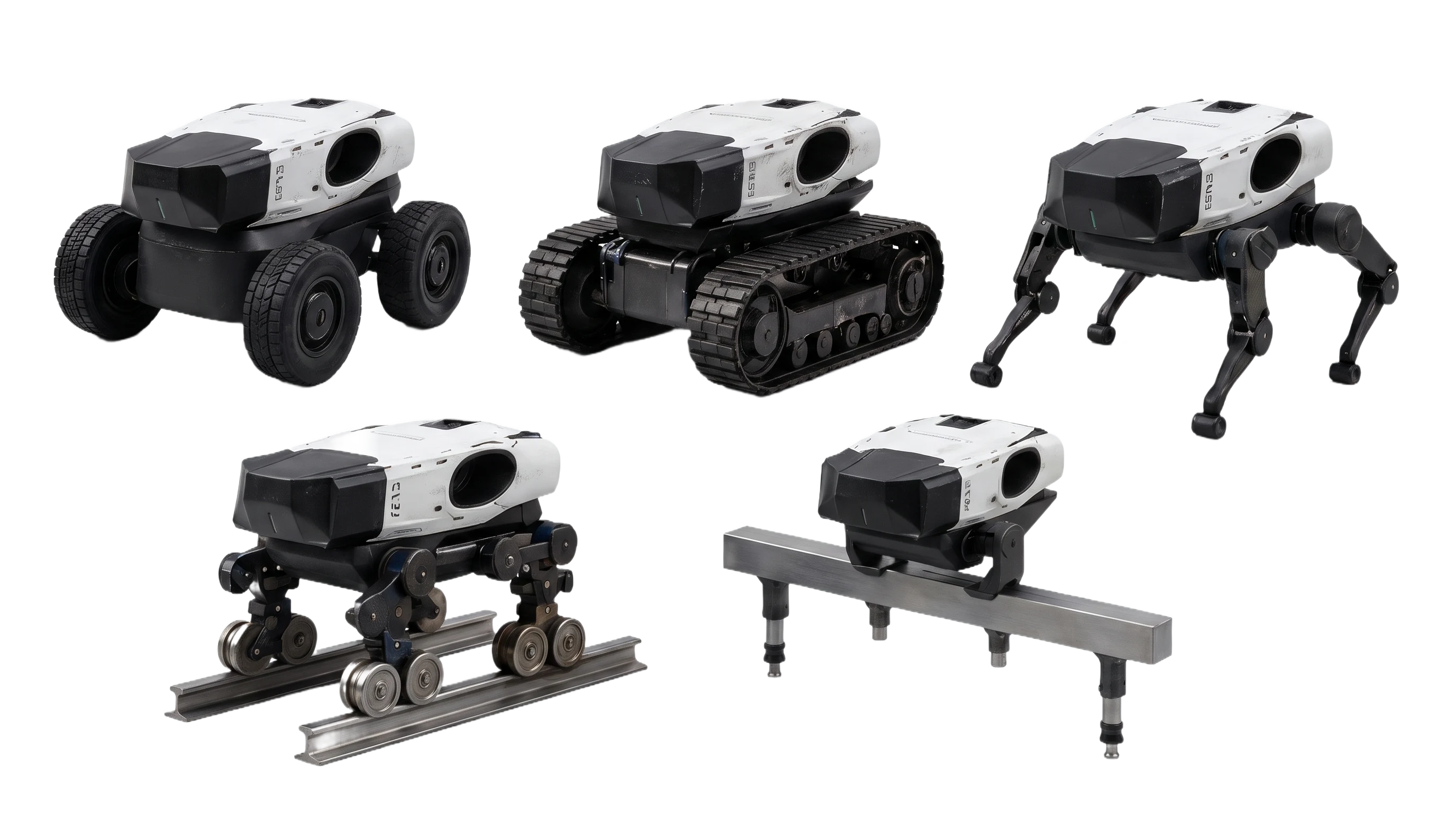 Swappable chassisWheeled, tracked, legged or wheel-leg.
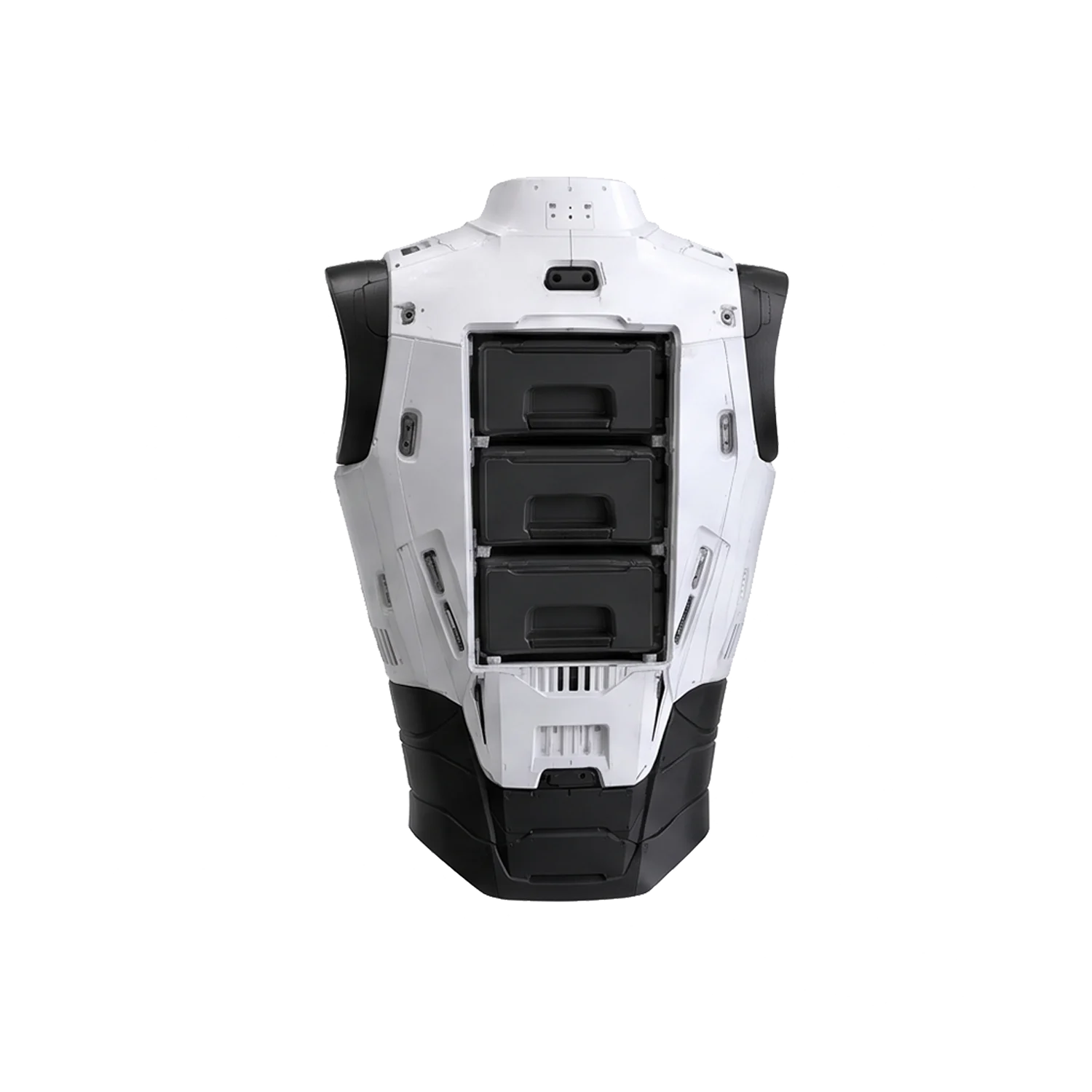 Swappable batteriesThree hot-swap batteries in the back.
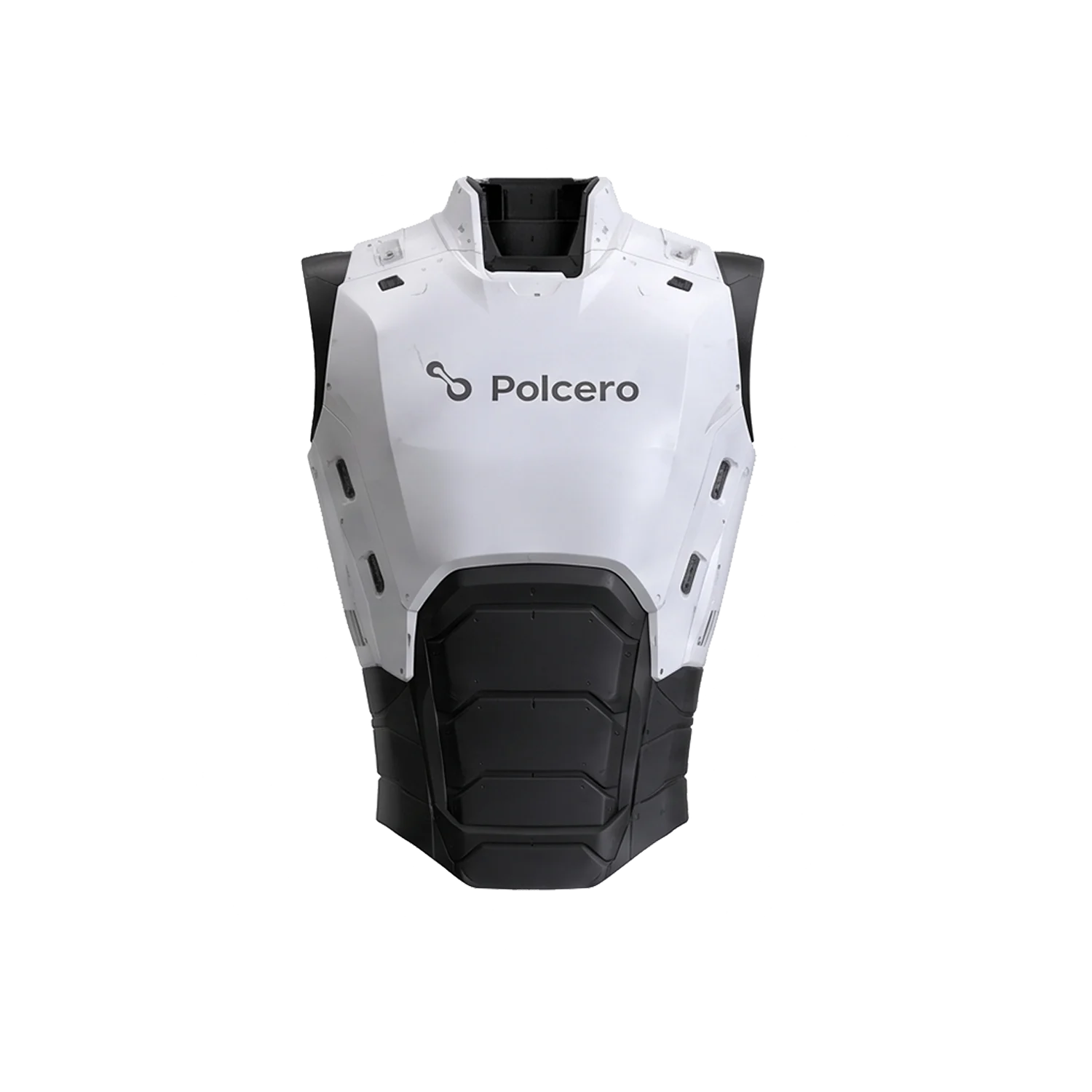 PerceptionCameras, LiDAR, on-device compute.
How the robot sees
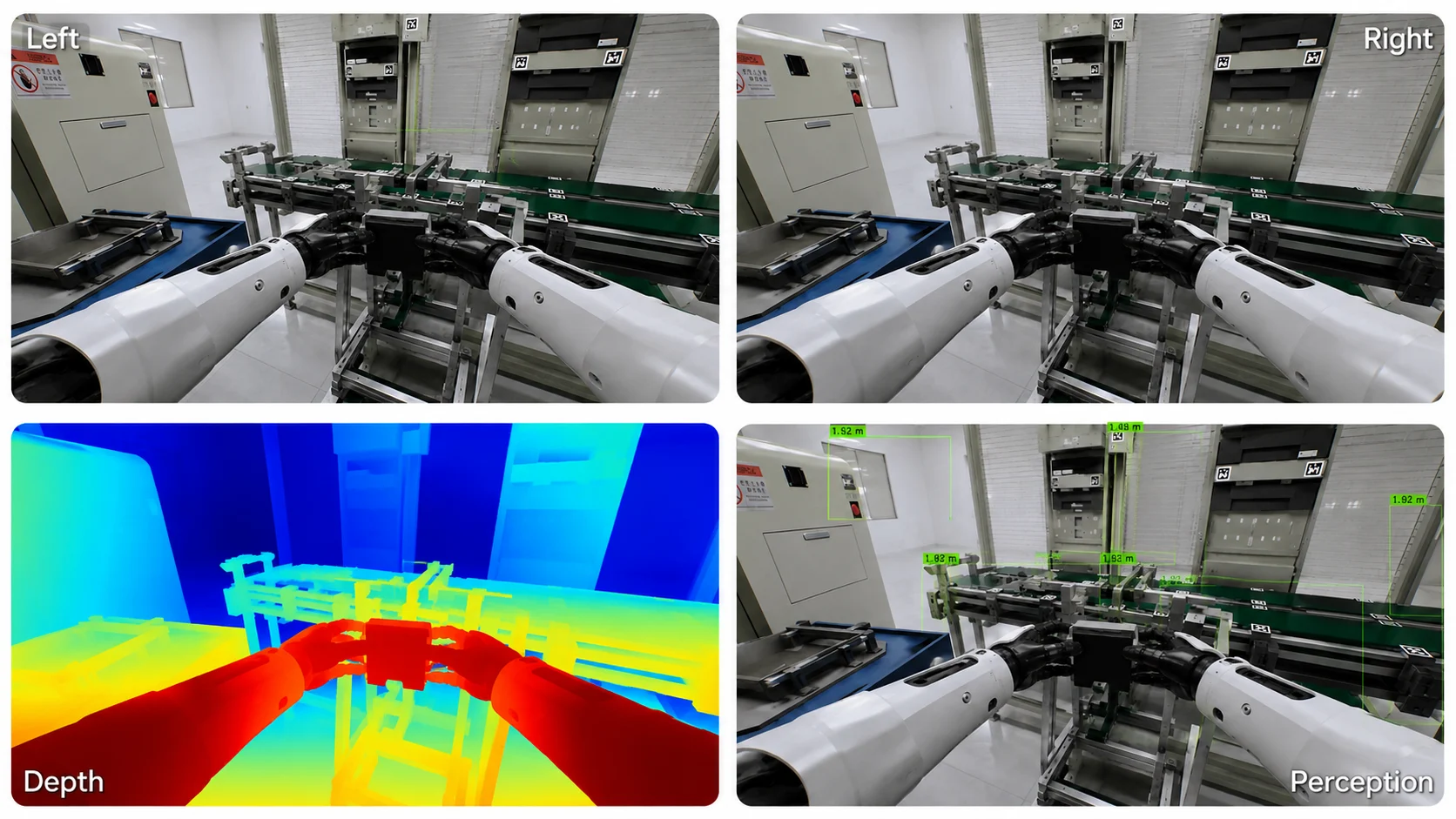
The robot builds one picture of the world from several views at once. A wide-field binocular head gives a left and a right image; comparing them yields depth; on top of that the AI layer adds a perception view that names objects, surfaces and people.
The left eye of the binocular head - a wide-field colour view of the scene.
The right eye - the second colour view the robot compares against the left.
Stereo disparity between left and right yields distance to every point in the frame.
The AI layer labels objects, surfaces, obstacles and people, and plans the next move on-device.
Wrist cameras
HD cameras at each wrist give a close-up view for precise grasping and assembly.
LiDAR + ultrasonic
Chassis LiDAR and ultrasonic sensors map the space and catch obstacles beyond the cameras.
Force and IMU
Force-feedback joints and an IMU sense contact and balance for safe, stable motion.
Voice and language
Voice interaction and a language model let a person direct the robot in plain speech.
Specification
Platform
- POLCERO OS
- Yes
- Local operation (on-device AI)
- Yes
- Data & compliance in the EU
- Yes
Functions
- Perception
- Cameras, LiDAR
- Task planning and supervision
- Yes
- Fleet management
- Yes
- Learning by demonstration
- up to 10× less programming
Compatibility
- Works with chassis
- All chassis types
- Humanoid
- Yes
Values are design assumptions; the product is under development and configuration may change. Please confirm details with sales.